How the Phoenix Became a Symbol of Renewal
A source-led reading of how a reported sacred bird became attached to death, return and later ideas of rebirth.
Read articleIndependent visual archiveIssue 01 · 2026
An editorial atlas exploring how the phoenix moves through legend, decorative art, illustration and contemporary visual culture—one motif at a time.
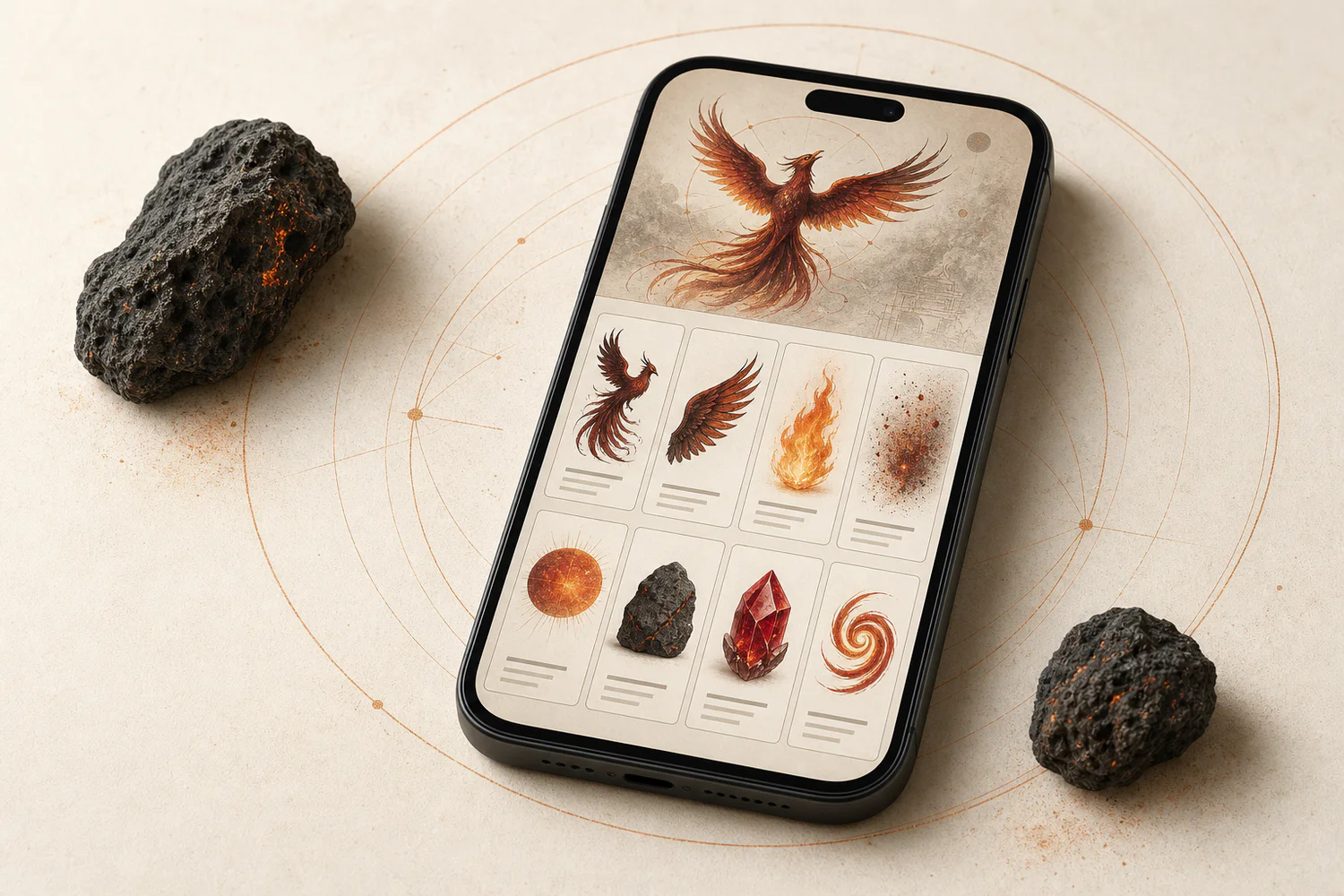
The visual index
Each entry separates documented examples from the visual choices made by contemporary artists.
Featured stories
Full-length editorial essays with named sources, dates and institutional bylines.

A source-led reading of how a reported sacred bird became attached to death, return and later ideas of rebirth.
Read article
How contrast, sequence and material cues turn fire into a story of change—without treating one reading as universal.
Read article
A practical guide to silhouette, information hierarchy and respectful source notes on a narrow display.
Read article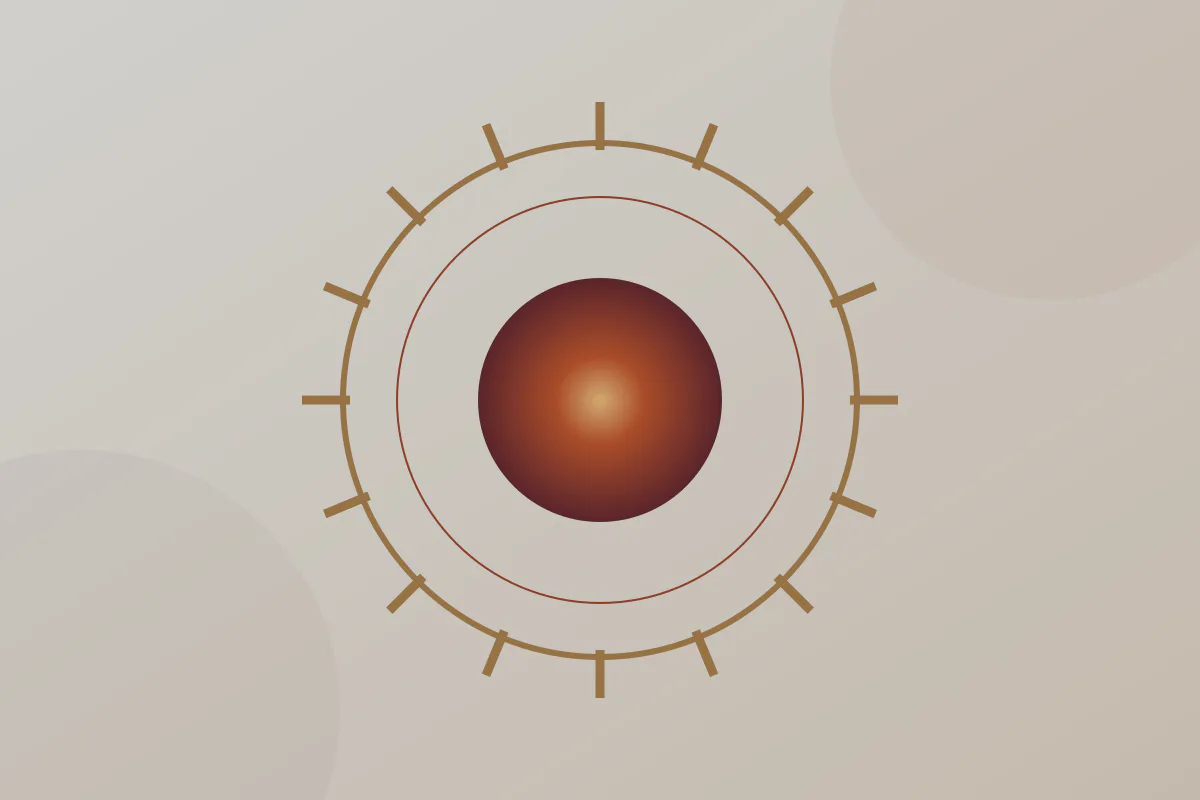
Form, manufacture and visual focus offer better explanations than a single universal theory.
Read article
A restrained palette built from warm ivory, graphite, mineral gray, copper and a single ember accent.
Read article
A responsible workflow for studying historical objects without copying them or flattening their contexts.
Read articleField guide 03
A visual composition can be discussed precisely without assigning its invented marks a historical meaning.
Open the illustrated guideThe bird establishes the subject and first point of recognition.
Outer contours set the visual energy before feather detail appears.
A bright center separates emitted light from local surface color.
The ring contains motion and establishes a clear field.
Original abstract marks add cadence without implying an ancient script.
Paper, stone, metal or pixels affect every line and highlight.
Origins & interpretations
These entries are related by comparison, translation or visual exchange—not declared to be one continuous tradition.
An early Greek account describes a sacred bird known to the author through pictures and reports. The familiar ash narrative is not the story given there.
Read the source note →A thirteenth-century Getty folio places the bird in a manuscript context where it could carry Christian resurrection meaning.
See the object record →The Met’s late thirteenth-century tile documents East Asian imagery adapted by Persian artists in an Ilkhanid palace setting.
Follow the visual exchange →Our phoenix, stone and crystal studies are new editorial art. They are not reconstructions of a specific historical object.
Review our labels →From source to screen
Research and captioning begin before ornament. Mobile legibility is tested before the illustration is exported.
Shape sketch
Editorial palette
Small-screen test
Visual collections
Six galleries connect the atlas vocabulary to composition, material and screen scale.
01Original silhouette and feather studies for editorial layouts.
View collection ↗ 02
02Light, taper, grain and heat-edge experiments.
View collection ↗03Contemporary framing systems without invented inscriptions.
View collection ↗04Material studies used as modern art-direction reference.
View collection ↗05Compact shapes tested for narrow and wide displays.
View collection ↗06Readable atlas cards prepared for small screens.
View collection ↗Reader questions
Short answers, with the important distinctions left intact.
There is no single simple origin story. Early Greek writing connects the bird with reports about Egypt, while later texts and objects add different narratives. Related bird traditions such as the Egyptian Bennu, Chinese fenghuang and Persian simurgh require their own histories.
Not automatically. “Firebird” is a broad English description and also appears in specific folklore. Similar appearance does not make figures from different traditions identical.
Meaning depends on the object and context. A circle can be structural, decorative, astronomical, religious, civic or simply compositional. The atlas does not assign one universal definition.
Documented claims are tied to named texts, museum records or scholarly catalogues. Our own formal observations and original art direction are labelled as editorial or studio interpretation.
The site artwork is original publication material. Historical examples are discussed through links to institutional records; third-party images are not republished without a clear licence.
Yes. Use the contact page and include the page title, the statement in question and a stable source link. The corrections log records substantive updates after launch.
About the publication
Phoenix Motif Atlas is an editorial prototype for careful cultural and design research. It uses institutional bylines until individual contributors and ownership details are verified.