Symbol Atlas · 02Shape study
Wings
Direction, span and feather rhythm turn a bird silhouette into a visual statement.
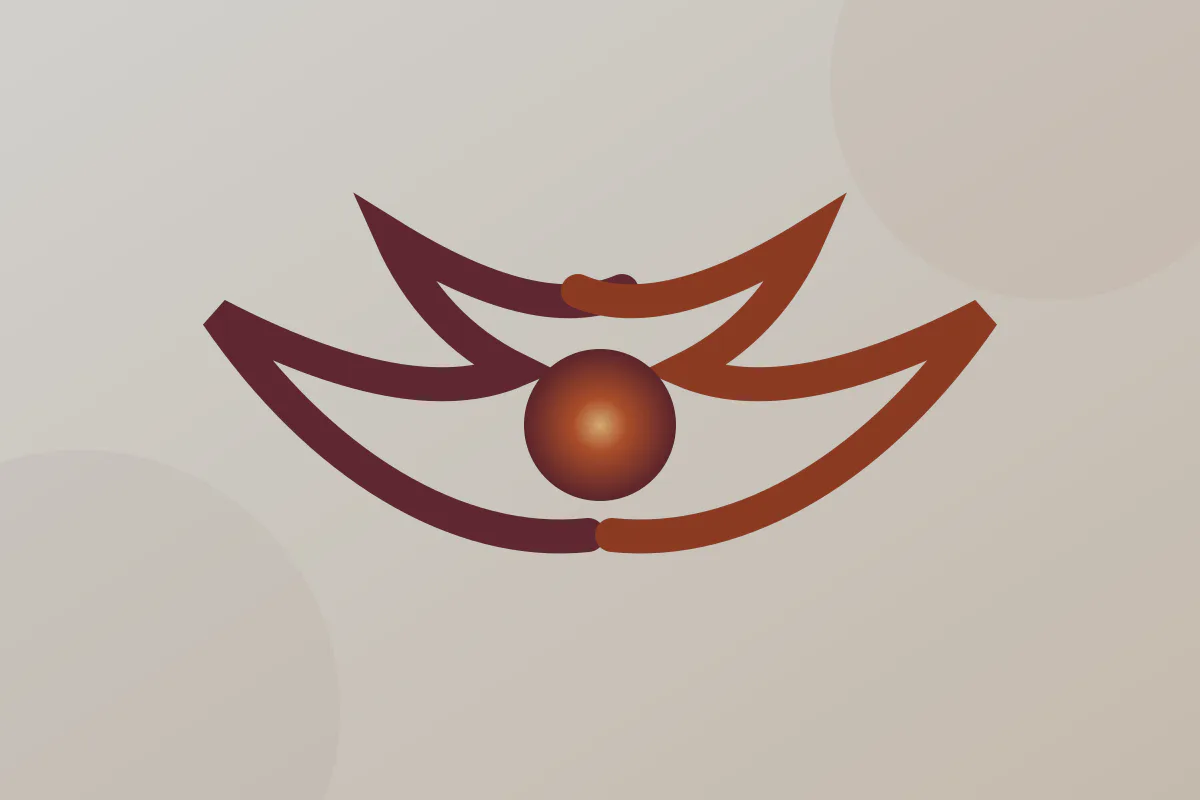
Wings carry different formal jobs in different works: they can describe flight, establish symmetry, fill an architectural field or direct the viewer toward a focal point. This atlas analyses those visual functions without assigning a universal symbolic meaning.
Historical claims below are tied to a named record. Visual guidance is our contemporary editorial analysis.
Record-based notes
What is documented
The Met’s Ilkhanid tile uses a rising pose and long trailing plumage within a shaped architectural tile.
The Getty bestiary page places the bird and its wings within the compact space of a manuscript leaf.
Museum dimensions and media help explain why artists simplified or elaborated feather forms.
Studio reading
Contemporary visual choices
- Upward diagonals create lift; flatter arcs feel heraldic or emblematic.
- Alternating long and short feather groups keep a small silhouette readable.
- At phone scale, a clear outer contour matters more than interior feather detail.
Applied analysis
Three ways to read the motif
Manuscript wing
A limited page rewards compact shape and clearly bounded color.
Architectural wing
Relief and glaze allow shadow to reinforce the feather pattern.
Screen wing
A reduced silhouette remains legible before fine texture loads.
Reference shelf
Sources & further reading
- A Phoenix, about 1270 — J. Paul Getty Museum
A Franco-Flemish bestiary folio in tempera, gold leaf and ink.
- Tile with Image of Phoenix, late 13th century — The Metropolitan Museum of Art
An Ilkhanid stonepaste tile showing the adaptation of East Asian imagery by Persian artists.
- Phoenix Motif Atlas studio notes
Original visual-analysis notes created for this publication; interpretation is labeled as such.